
Major Events That Shaped the UAE Economy Over the Last 25 Years
Over the last 25 years, the UAE has transformed from a fast-growing Gulf economy into a global hub for business, tourism, finance, and innovation. Its journey wasn’t linear—each major global event, regional conflict, and economic shock tested the country’s resilience. Yet time and again, the UAE didn’t just recover—it emerged stronger. This is the story of how the UAE turned crises into opportunities, diversified its economy, and became one of the most stable and attractive destinations for investors and talent worldwide.
Laying the Foundations: Early 2000s
In the early 2000s, Dubai and Abu Dhabi were already racing ahead with infrastructure, airports, ports, and hospitality projects. Dubai International Airport expanded its reach, Emirates Airline added new global routes, and free zones attracted companies eager for a foothold in the region. The UAE wasn’t just building physical infrastructure; it was building confidence. Investors saw a business-friendly environment where operations could run smoothly, even amid global uncertainty. Trade volumes increased, real estate projects launched, and the country began establishing its reputation as a global business hub connecting East and West.
September 11, 2001: Stability Amid Global Shock
When the world watched the events of September 2001 unfold, economies everywhere slowed. Tourism plummeted, airlines struggled, and uncertainty gripped investors. The UAE responded differently. Rather than cutting back, the country continued investing in aviation, hospitality, and trade infrastructure. Airlines gradually expanded capacity, hotels opened new properties, and international businesses found a stable home. This period established a crucial lesson: in times of global uncertainty, the UAE could be a safe haven—a reputation that would pay dividends in the years to come.
The Iraq War of 2003: Turning Regional Instability Into Opportunity
The 2003 Iraq war created turbulence across the Middle East. Many companies operating in conflict zones looked for stability elsewhere. The UAE’s neutrality, strong infrastructure, and reliable financial systems made it the obvious choice. Dubai’s ports saw higher cargo volumes, office spaces filled up, and financial services grew as regional capital shifted into safer markets. Professionals relocated, boosting both population and economic activity. Once again, a regional crisis translated into growth and reinforced the UAE’s position as the Middle East’s operational headquarters.
The Global Financial Crisis of 2008–2009: A Market Reset
When the global financial crisis hit, Dubai’s real estate market faced a sharp correction. Property prices fell, liquidity tightened, and speculative developments slowed. But instead of collapsing, the UAE took the opportunity to rebuild smarter. Stricter regulations, escrow protections, disciplined lending, project consolidation and improved transparency turned the market into a more mature and stable environment. By 2012, tourism rebounded, retail and aviation sectors grew, and new mega-projects were underway. The crisis had weeded out excess and prepared the market for long-term growth.
Oil Price Drop in 2014: Diversifying Faster
The sudden drop in oil prices in 2014 forced economies worldwide to rethink reliance on hydrocarbons. The UAE accelerated its diversification strategy. Tourism, aviation, trade, technology, and renewable energy became the focus. Dubai intensified preparations for Expo 2020, boosting infrastructure development and construction projects. The economy was evolving. By reducing dependence on oil, the UAE increased resilience to global market volatility while creating new opportunities for businesses, investors, and professionals alike.
VAT and Fiscal Reforms in 2018: Building Sustainable Growth
The introduction of Value Added Tax marked a milestone in the UAE’s economic evolution. It signaled a shift toward sustainable, diversified government revenue. Businesses adapted quickly, transparency improved, and long-term fiscal stability strengthened. The move reflected a country ready for structural modernization without sacrificing competitiveness.
COVID-19 Pandemic: Fast Action, Faster Recovery
The pandemic brought the world to a standstill, hitting aviation, tourism, and events hardest. The UAE responded with speed and clarity: mass testing, rapid vaccination campaigns, digital government services, and business support initiatives. Dubai reopened tourism earlier than most global cities, while Expo 2020 became a symbol of resilience, attracting millions of visitors. By the end of 2021, economic activity rebounded, real estate demand surged, and new businesses were relocating to the UAE.
Golden Visas and Talent Attraction: Planning for the Future
Post-pandemic reforms introduced long-term visas for investors, entrepreneurs, and skilled professionals. These initiatives weren’t just about attracting people—they were about shaping the economy for decades. Increased population, rising real estate demand, and a thriving startup ecosystem proved that talent attraction could drive growth even in a challenging global environment.
The Ukraine War and Global Market Shifts: Stability in Uncertain Times
The Ukraine conflict disrupted supply chains, financial markets, and global trade. The UAE again emerged as a safe harbor. Real estate transactions surged, wealth management services grew, and tourism reached record levels. Investors and businesses seeking stability found a home in Dubai and Abu Dhabi. Once more, the UAE’s combination of strategic location, strong infrastructure, and political stability paid off.
Infrastructure and Diversification: The Twin Pillars
Throughout every crisis, one strategy remained constant: continuous investment in infrastructure. Airports, ports, metros, tourism destinations, business districts, and innovation hubs were built even during downturns. Simultaneously, economic diversification reduced dependency on any single sector, creating resilience across tourism, aviation, finance, technology, real estate, trade, and renewable energy.
Lessons From 25 Years of Growth
The UAE’s journey over the past 25 years shows a clear pattern: crises arrived, the country adapted quickly, infrastructure continued, diversification accelerated, and growth followed. Population influx, talent attraction, and investor confidence reinforced this cycle. Today, the UAE stands as one of the most stable, diversified, and forward-looking economies in the world. Its history proves that challenges don’t just slow progress—they create opportunities for those prepared to act fast.
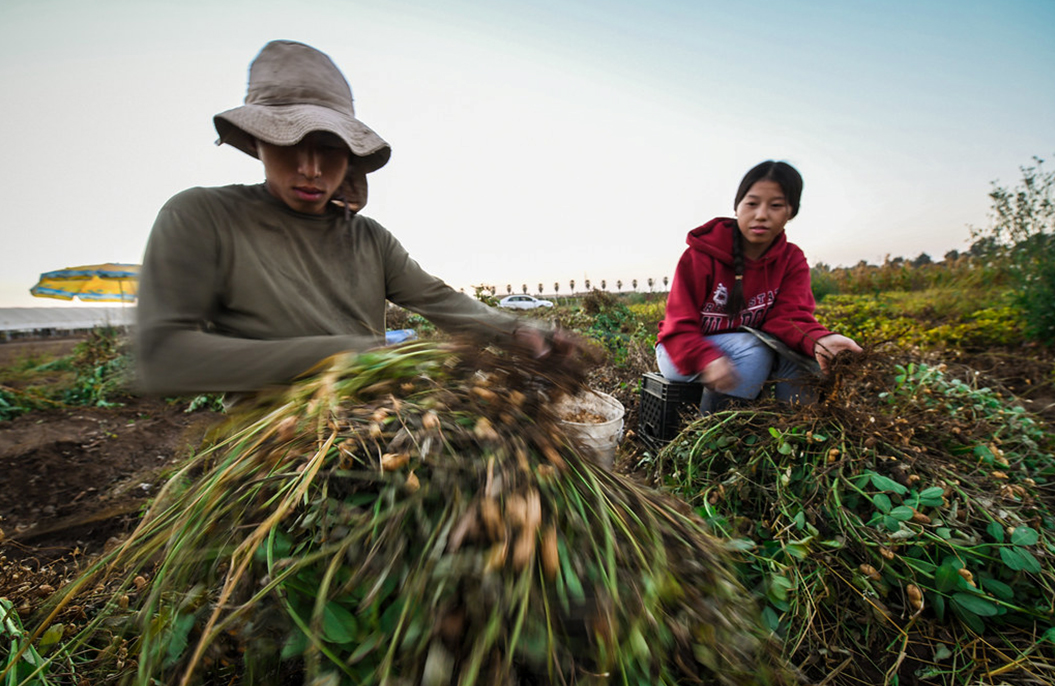
Modern agriculture often feels caught between two worlds: ancestral knowledge passed through generations and digital systems built in laboratories and data centers. Yet these worlds are not opposites.
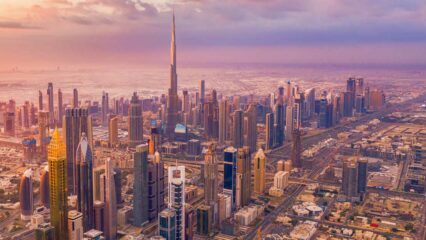 The Future of Smart Cities in the GCC
The Gulf Region is undergoing a remarkable transformation — not just in skyline and size of its cities, but also in how they function, grow, and interact with people who live or visit them. These aren’t just high-tech dreams; they’re real projects already shaping the future of life in the Middle East.
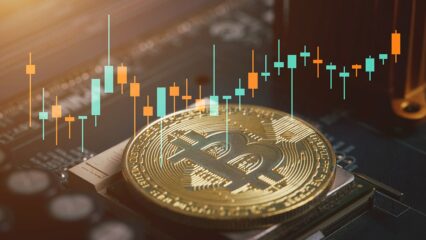 The Rise of Cryptocurrency in the UAE: How Bitcoin and Blockchain Innovations Are Shaping the Future of Finance
The United Arab Emirates is rapidly emerging as a global hub for cryptocurrency and blockchain technology. This article explores the UAE cryptocurrency landscape in 2025, offering insights into trends, regulations, and opportunities for residents and investors.
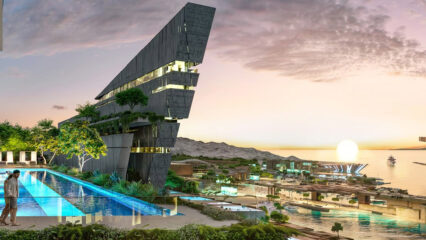 NEOM: The Pinnacle of Innovation in Saudi Arabia’s Vision 2030
NEOM, a $500 billion futuristic megacity in Saudi Arabia’s Tabuk Province, stands as a beacon of innovation, sustainability, and economic diversification.
NEOM, a $500 billion futuristic megacity in Saudi Arabia’s Tabuk Province, stands as a beacon of innovation, sustainability, and economic diversification.
Gold, a timeless safe-haven asset, has shattered records, peaking at $3,499.92 on April 22, 2025, driven by geopolitical tensions, trade uncertainties, and shifting monetary policies.
As remote work continues to redefine professional life globally, the UAE is embracing this trend with enthusiasm, positioning itself as a hub for flexible work arrangements.